


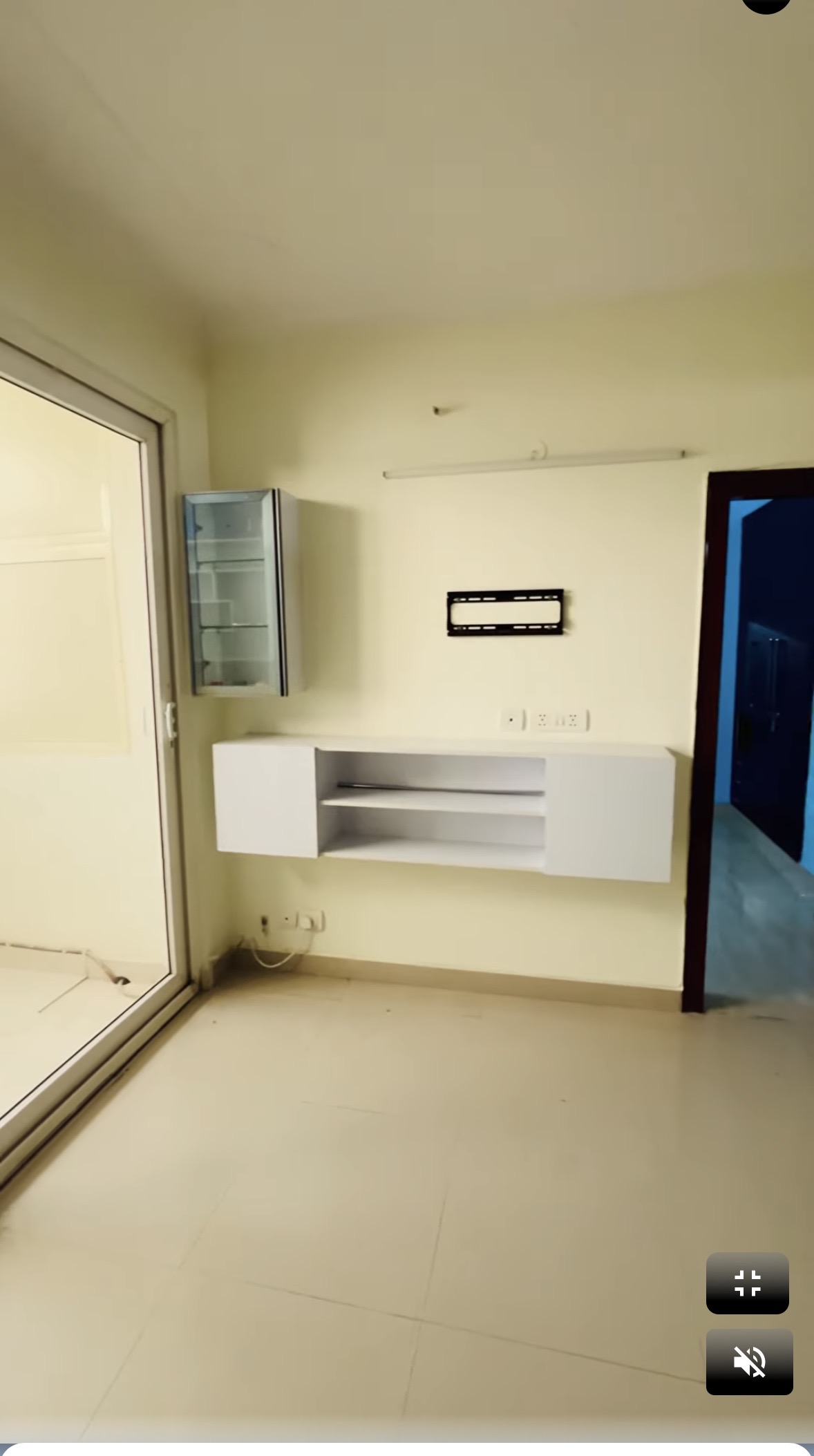
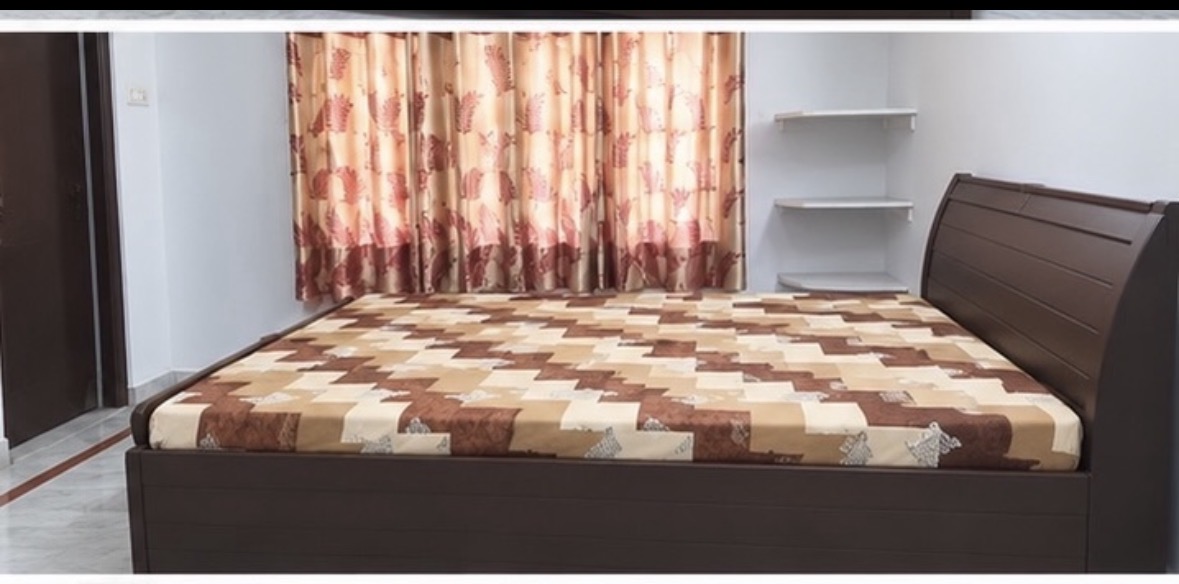
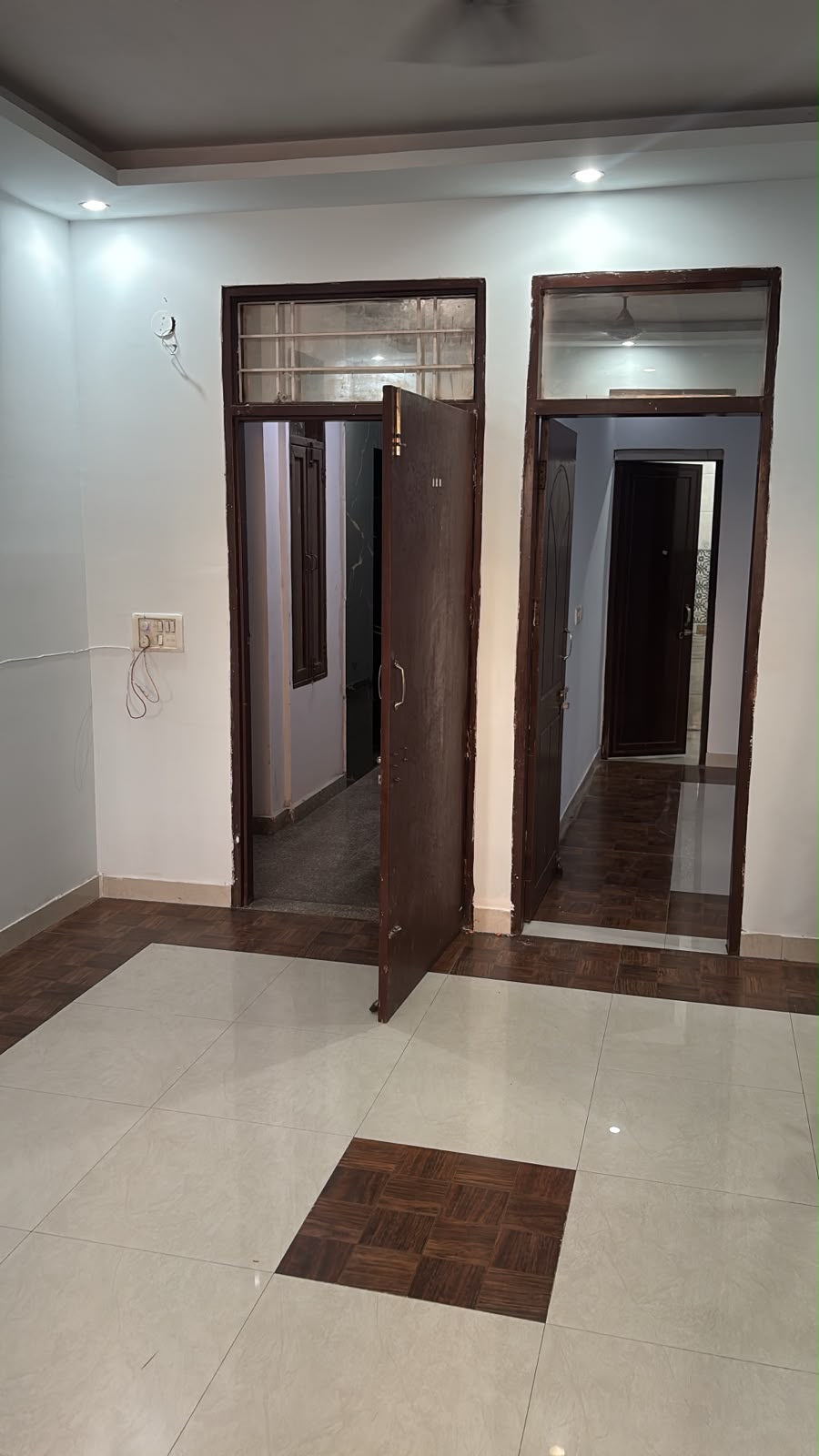
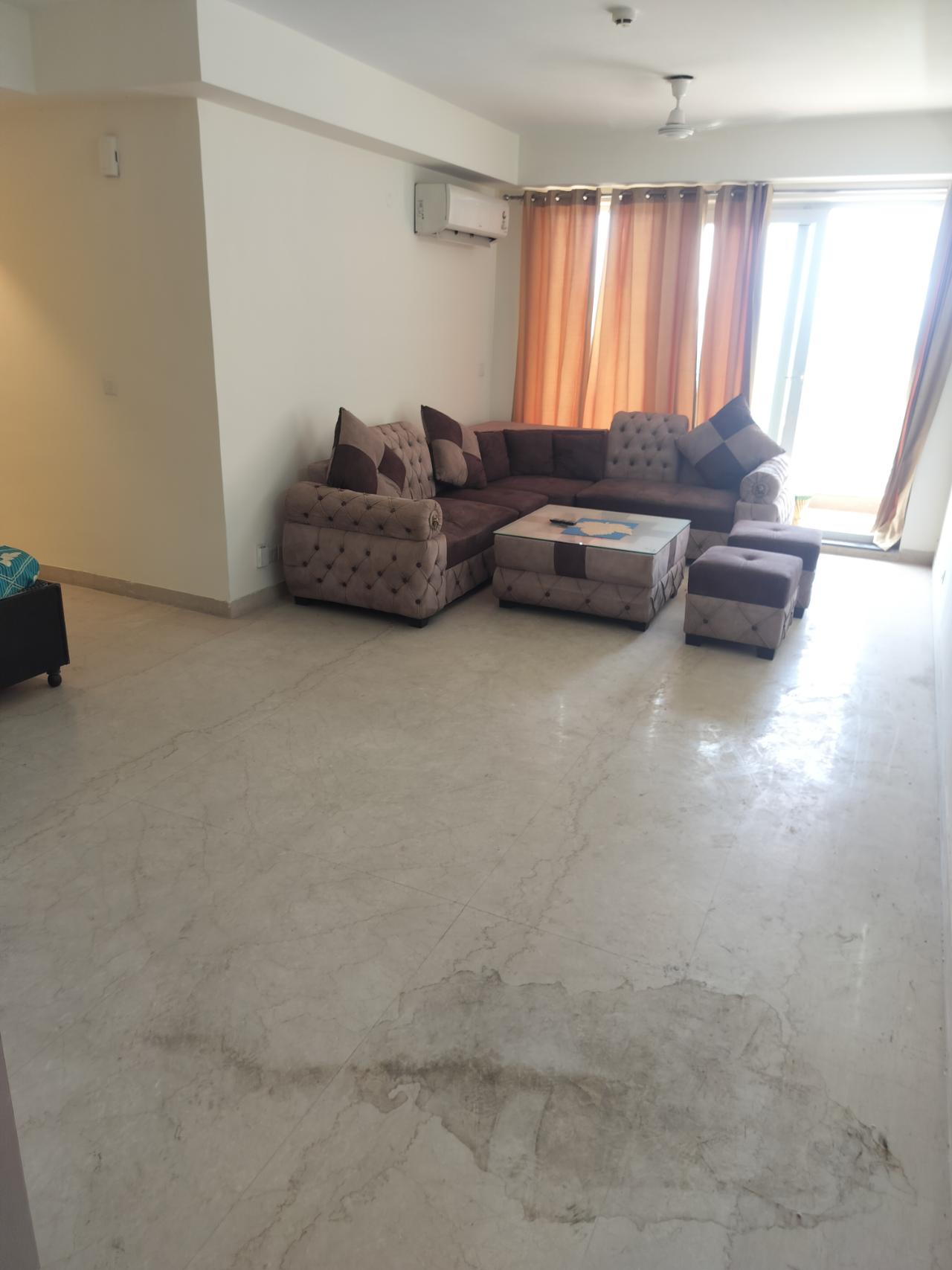
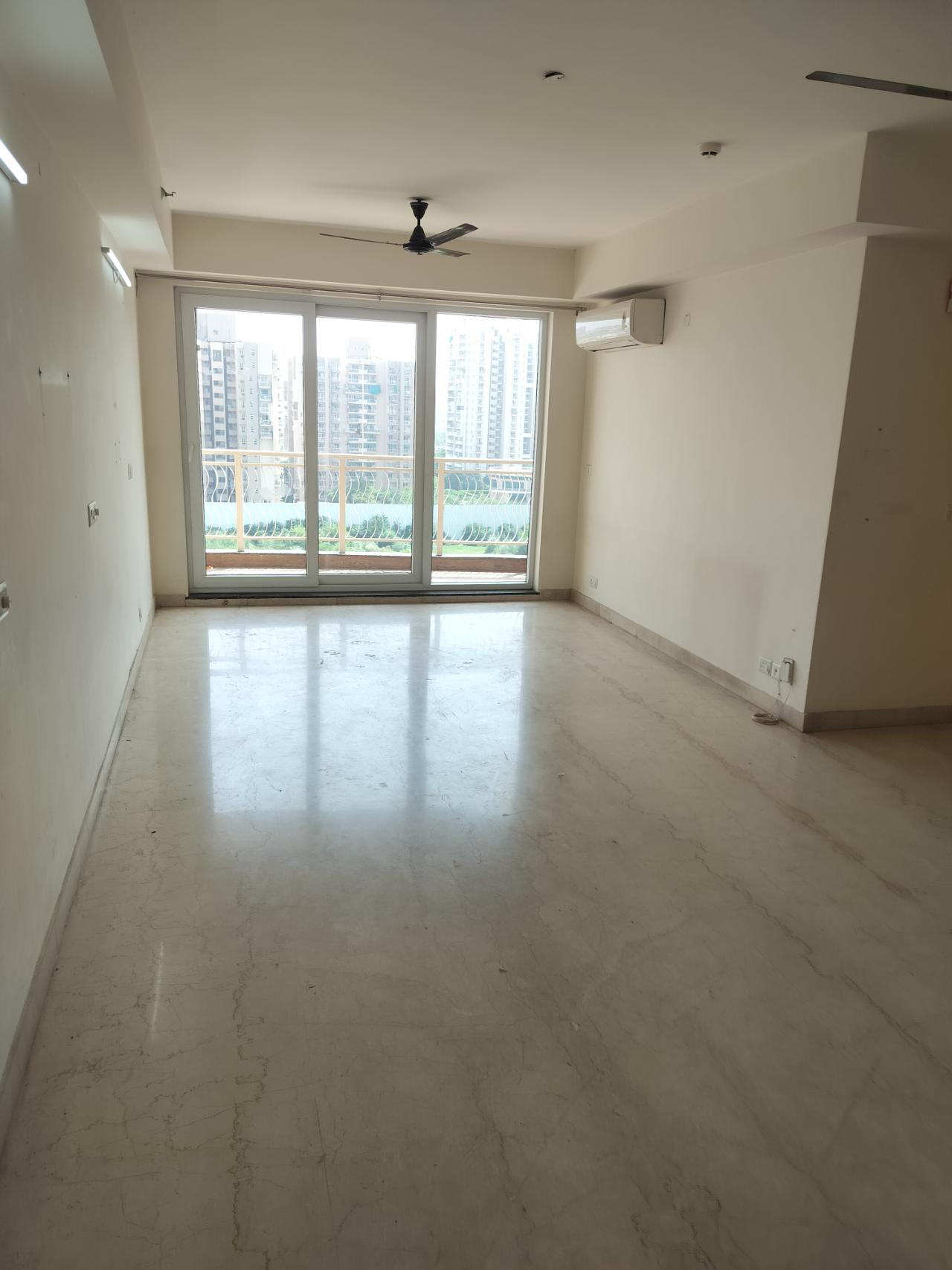
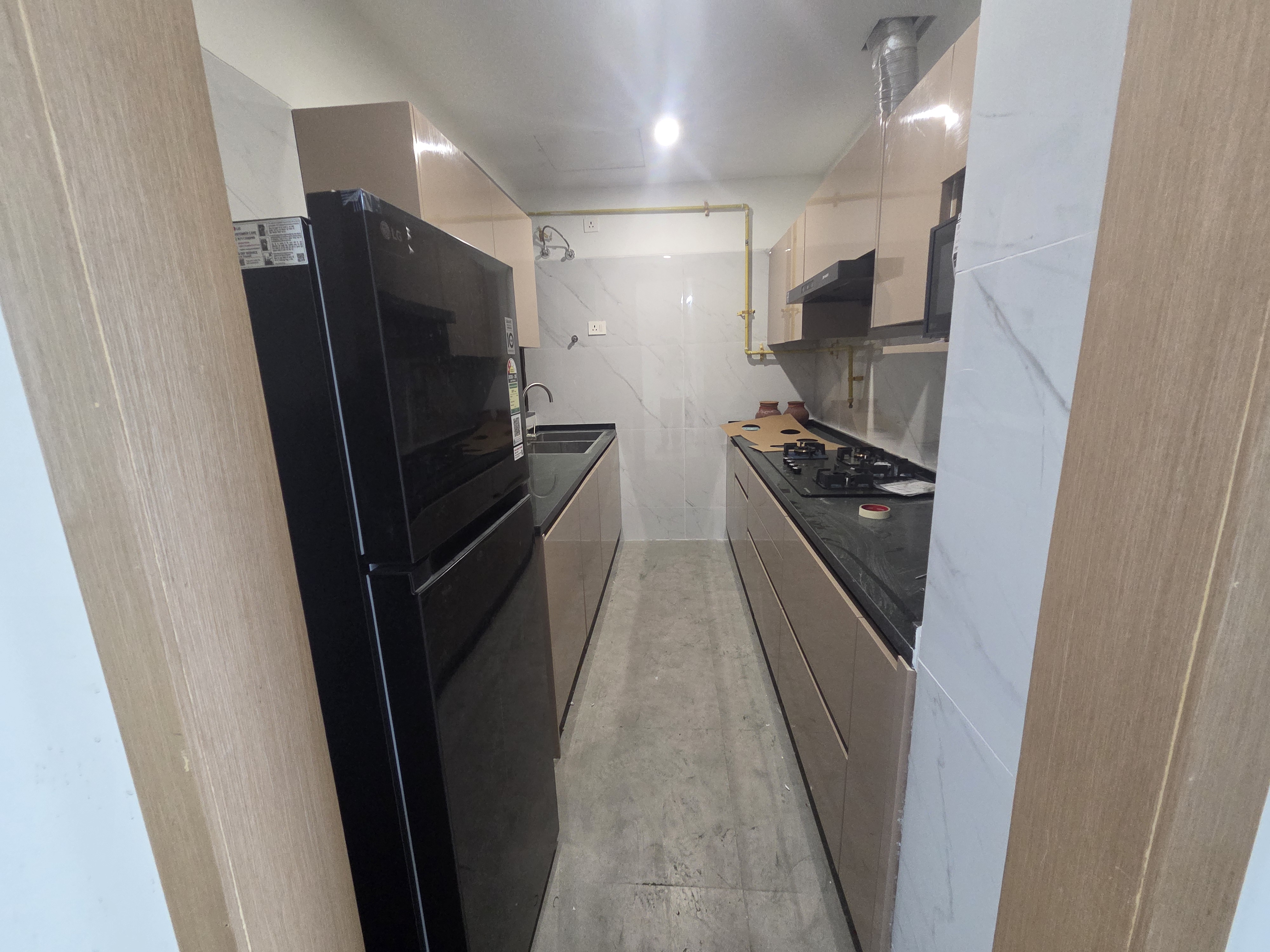
The mechanics of taking flats for rent in Delhi NCR are broadly consistent across the region even though the buildings are not. A written agreement for a fixed term, a deposit counted in months of rent, an escalation stated in the agreement, and a notice period on both sides are the standard shape, and the variations between cities sit inside that frame rather than replacing it.
Written by KMA Global Properties
The standard shape of an agreement
A fixed term, usually of eleven months, renewable by agreement. A security deposit expressed as a number of months of rent, held by the landlord and returned at the end after deductions for damage and unpaid bills. An annual escalation written into the agreement. A notice period on each side. A schedule of what the landlord provides and what the tenant maintains. And, in group housing, a clause about the maintenance charge, which is where most disagreements begin.
Anyone taking flats for rent in Delhi NCR should read those clauses rather than assume them, because they vary between landlords far more than the format of the agreement does.
What to settle before taking flats for rent in Delhi NCR
Each of these should be written down rather than understood.
| Item | What to agree | Risk if left vague |
|---|---|---|
| Who pays maintenance | Named in the agreement | A monthly argument |
| Deposit and its return | Amount, timing, deductions | Money held back at exit |
| Escalation on renewal | A stated figure or basis | A negotiation under pressure |
| Notice period | The same for both sides | A sudden move |
| Fittings and their condition | An inventory with photographs | Deductions you cannot dispute |
| Parking | Bay identified in the agreement | A dispute with a neighbour |
Best for: Tenants who put everything in writing at the start
Deposits, brokerage and the money at the start
A tenancy in this region costs more to begin than to continue, because the deposit, the first month and any brokerage all fall together. Deposits are heavier here than in many other places and are held for the whole term, so treat that money as committed rather than available. Brokerage, where an agent is involved, is customary and negotiable, and the arrangement should be clear before viewings start rather than after one succeeds. It is worth asking early whether the agent acts for you or for the landlord, because the answer changes whose interests are being served during the negotiation that follows. Tenants comparing flats for rent in Delhi NCR across several agents should also confirm that the same property is not being offered to them twice at different figures, which happens more often than it should.
Registration, verification and the practical duties
Agreements are commonly registered, and registration protects both sides by making the terms provable. Police verification of tenants is expected in most of the region and is the landlord's responsibility to initiate. In group housing there will also be a move-in process run by the association or facility office, with its own paperwork and often a refundable deposit of its own. The Delhi NCR rentals page compares the cities, and the Gurgaon rentals page covers the corridors within the busiest of them.
How should you take flats for rent in Delhi NCR?
Read the agreement rather than the listing. Settle in writing who pays the maintenance charge, what the deposit is and when it returns, what the escalation will be, and how much notice each side must give. Photograph the condition of everything at handover and attach the inventory to the agreement. Budget for the deposit, the first month and any brokerage arriving together. Then register the agreement, complete the verification the landlord initiates, and go through the building move-in process before your belongings arrive rather than after.