


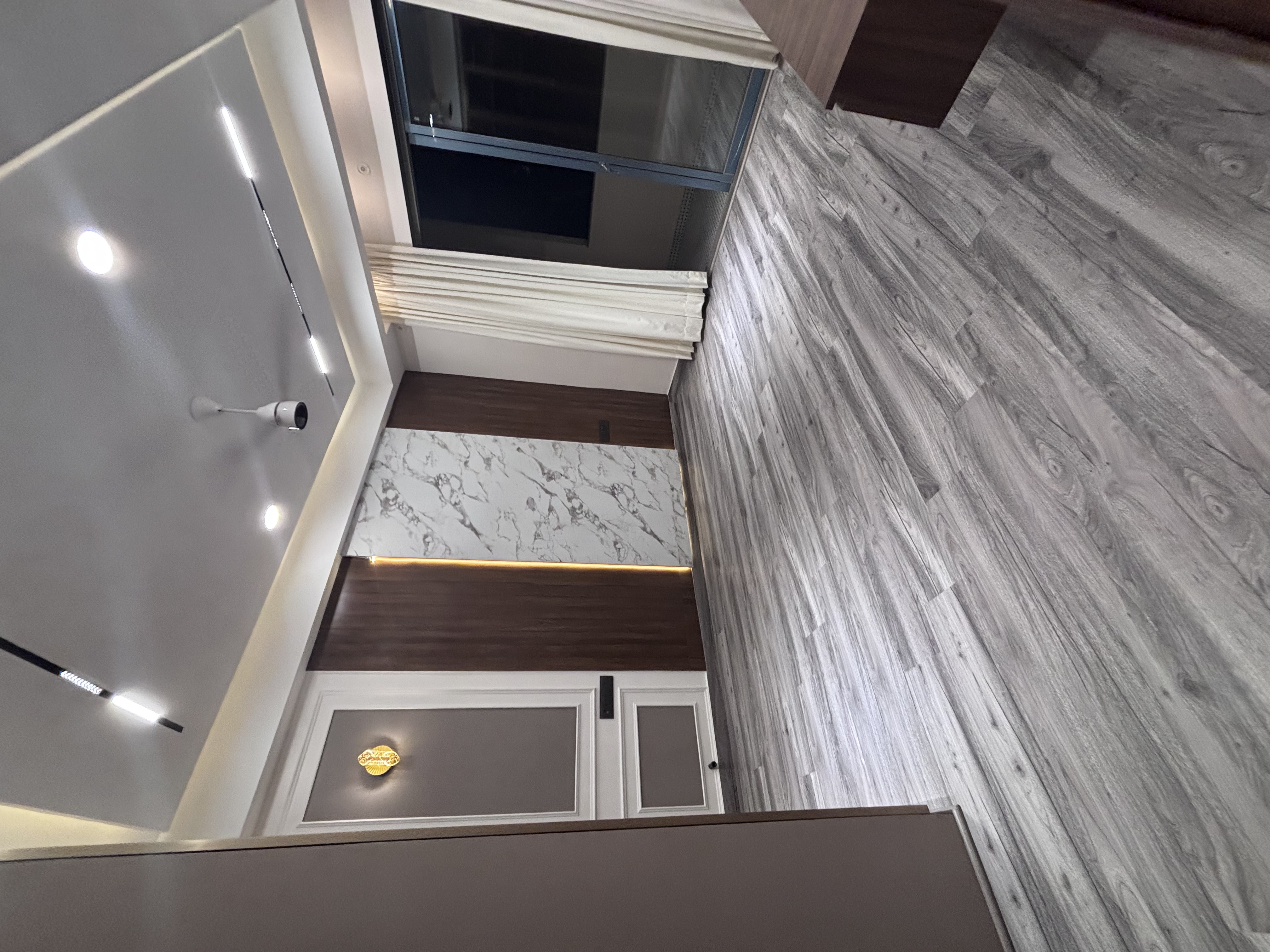
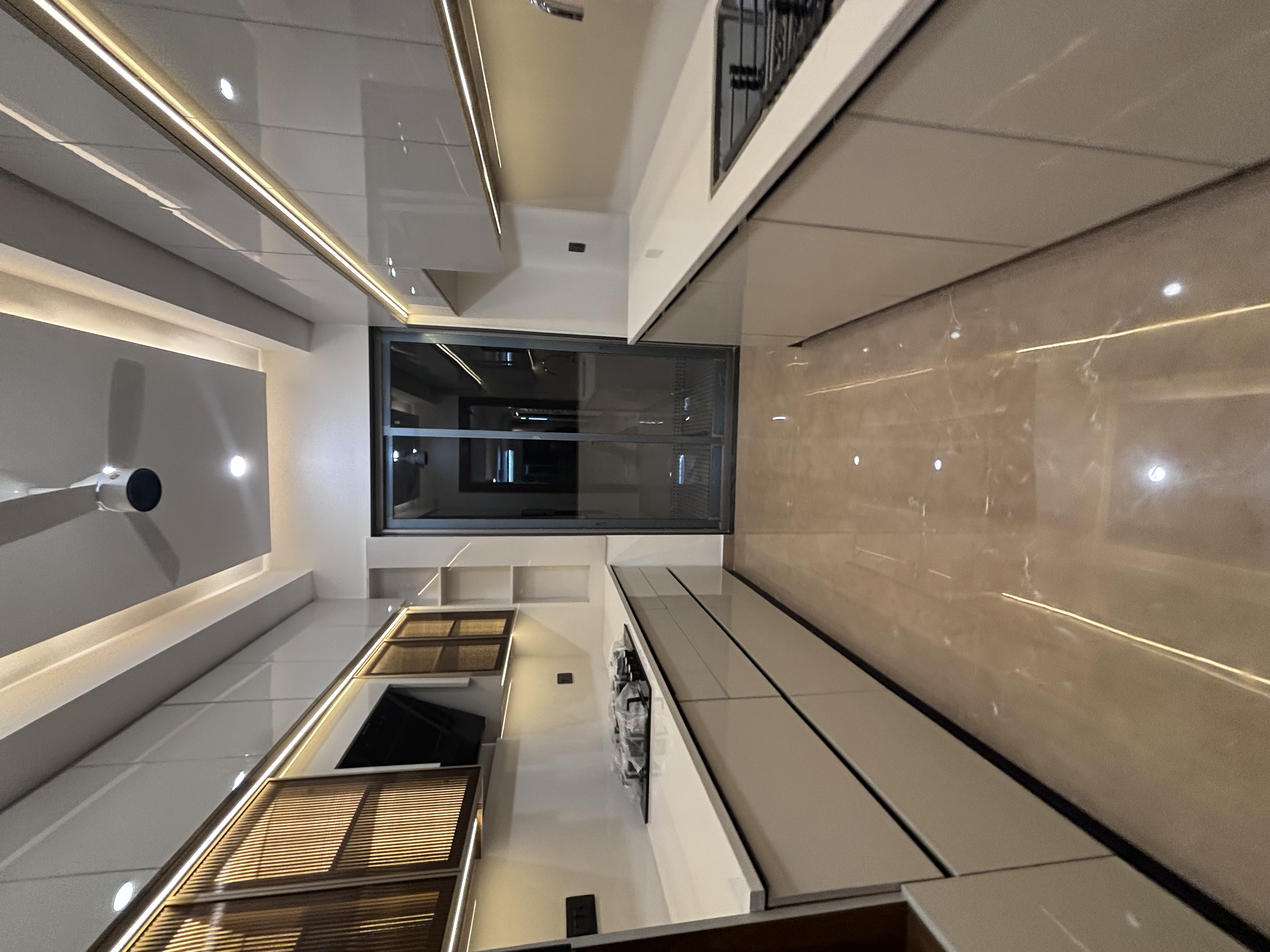
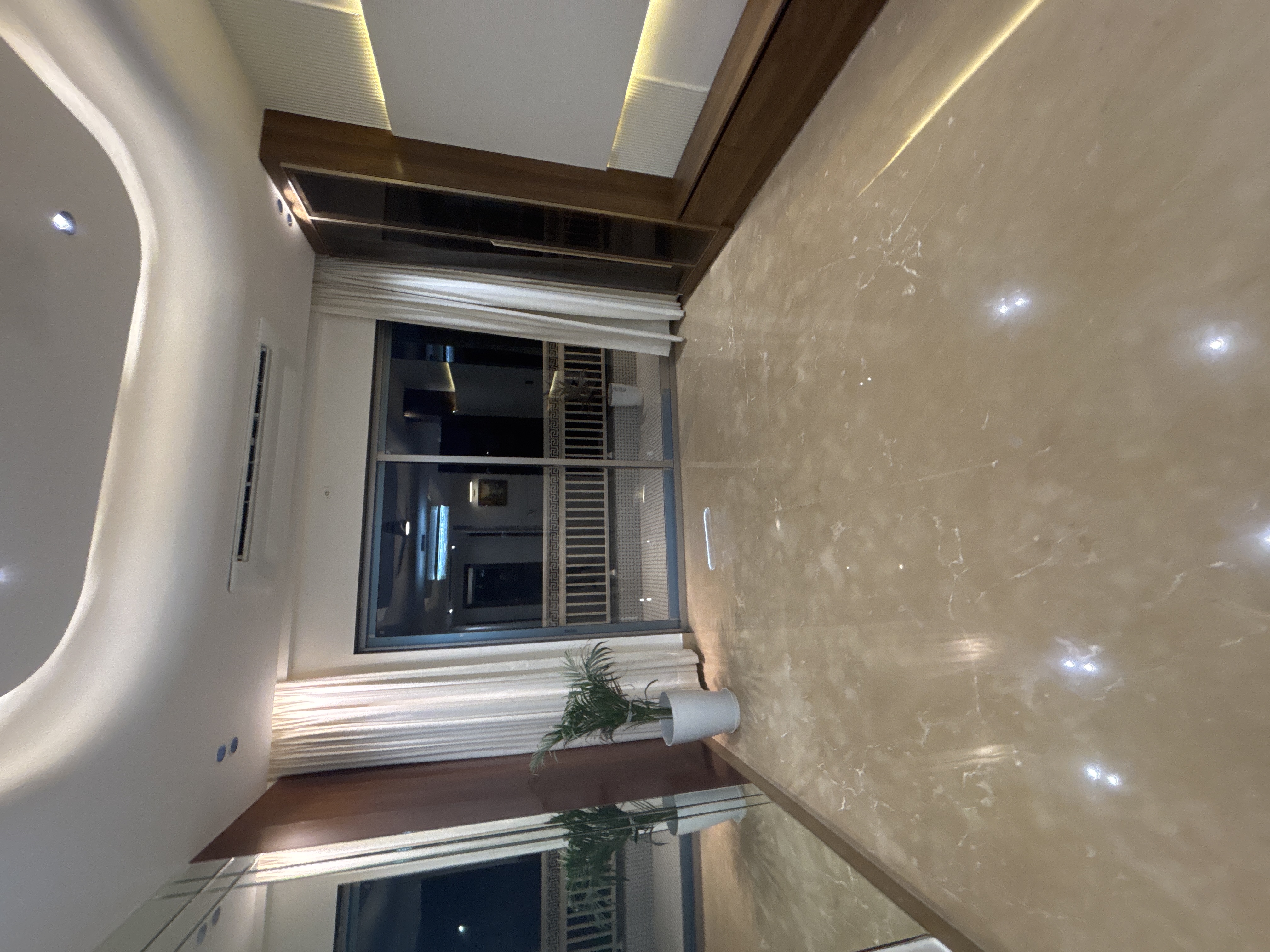
The inner stretch has something most of Gurugram's newer corridors do not: tenants who are already there, because the offices, schools and shops around it have been working for years. What investment property in Sohna Road also carries is an ageing building, and the levy that eventually funds its capital work falls on the owner rather than the tenant. The case turns on weighing those two against each other.
Why it lets well
Employment is close — an office strip on the road itself and business districts a short drive away — and the schools and retail that families need already exist. Tenants on this corridor therefore come from several sources rather than one, tenancies turn over steadily, and a well-presented flat in a maintained building rarely sits empty for long.
That depth is the reason to consider investment property in Sohna Road at all, and it is genuinely better than what the newer corridors can offer today.
Which investment property in Sohna Road lets
Format and building condition decide both sides of the equation.
| Format | Rental depth | Note for an investor |
|---|---|---|
| Two-bedroom in a maintained building | Deepest | The easiest to let and to exit, and the least risky |
| Three-bedroom, generous older plan | Strong; families stay longer | Fewer turnovers, higher refurbishment between them |
| One-bedroom on the inner stretch | Real, but the charge takes a large share | Check maintenance and levy risk against likely rent |
| Four-bedroom and above | Thin | Heaviest charge and levy share against long vacancies |
| Flat in a building with arrears, no sinking fund | Lets, then costs you | Special levies land on the owner, never on the tenant |
| Newer flat toward Sohna | Forming | Lower entry, thinner demand for now |
Best for: Two- and three-bedroom flats in maintained buildings
The levy, which is the corridor's specific risk
A special assessment for lift modernisation, riser replacement or waterproofing is calculated on area and demanded of the owner, and no tenant contributes to it. In a building with no sinking fund it can arrive in a year in which the flat also stood empty for two months. Model it rather than hope: ask what has been replaced, what the sinking fund holds today and what work is anticipated, then carry a standing allowance in your figures for it. That single item separates a sound investment here from a poor one.
The exit
Selling investment property in Sohna Road is easier than on the newer corridors. This one has a long trading history, so comparable transactions exist in most buildings, lenders are familiar with them, and a well-presented flat in a well-run condominium sells in reasonable time at a price both sides can evidence. The exception is a flat in a building with visible neglect, which is slow at any price. That makes the building's condition the main variable at both ends of the hold, on the way in and on the way out, which the gated community page sets out how to assess properly.
Who should buy investment property in Sohna Road?
Buy here if you want tenants who already exist and an exit that works, and you are prepared to carry an ageing building's capital costs. Choose a two- or three-bedroom flat in a maintained building with a funded sinking fund, because the levy risk is the thing that decides the outcome. Read the association accounts before the floor plan. Model maintenance, an expected levy, vacancy, refurbishment and tax with a chartered accountant. And avoid buildings with heavy arrears at any price.